Unleash Authenticity: The Munichly Script Design Edge
There is a distinct moment in every design project when the text stops being just information and starts becoming a personality. We have all been there: staring at a layout that has beautiful imagery and solid structure, yet it feels sterile, disconnected, or overly corporate. Whether you are a small business owner trying to make your packaging pop, a content creator seeking a signature look for your social feed, or a designer working on a boutique brand identity, the missing ingredient is often warmth. This is where the power of a well-crafted typeface comes into play, specifically the Munichly Script. It is not just another file to install; it is a tool designed to bridge the gap between digital precision and human touch, offering an expressive, casual signature style that feels immediately familiar and inviting.
The Anatomy of an Expressive Signature
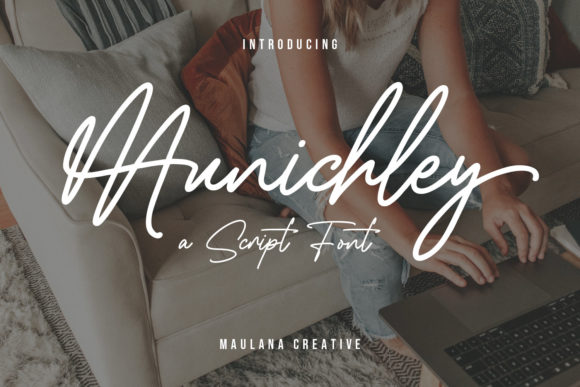
At its core, Munichly Script is defined by its mono-line strokes and fluid motion. Unlike heavy, gothic scripts that can be difficult to read or overly ornate calligraphy that feels dated, this typeface strikes a modern balance. The "mono-line" quality means the thickness of the letter remains consistent, which is a massive advantage for web design and social media graphics. Thin strokes often disappear on mobile screens or get lost in busy background images, but Munichly holds its ground with clarity.
However, what makes this script font truly special is the subtle imperfection in its character shapes. It mimics the natural variance of a human hand signing a document or jotting down a note. This is crucial for brand recognition. In a market flooded with robotic, geometric sans-serifs, a handwritten font like Munichly signals that there are real people behind the business. It suggests authenticity and approachability. When a customer sees this font on a product or a website, they subconsciously register a level of care and personal investment that generic fonts simply cannot convey.
Practical Applications: From Screen to Shelf
Understanding the visual appeal of a font is one thing, but applying it effectively is where the real value lies. Because Munichly is an expressive casual signature script, it functions best where you want to draw attention without shouting. It is a versatile design asset that adapts to various mediums, provided you understand its strengths.
Branding and Logo Design
For logo design, Munichly is an exceptional choice for industries that rely on personal connection. Think coffee shops, boutique clothing lines, lifestyle blogs, photography studios, or artisanal bakeries. A logo sets the tone for your entire brand identity. Using Munichly as the primary wordmark gives the brand an instant "face." It implies that the product is handmade or curated with care. However, pair it wisely. While it can stand alone, it often shines brightest when paired with a clean, geometric sans serif font for supporting text, ensuring the logo remains legible at small sizes.
Packaging and Merchandise
In packaging design, texture and typography work together to sell the experience. Imagine a matte coffee bag or a kraft paper gift box. Overlaying the product name in Munichly Script adds a tactile feel to the visual design. It mimics the look of a chalkboard menu or a handwritten label. Furthermore, for merchandise like tote bags, mugs, or t-shirts, a premium font like this ensures the design looks professional rather than "homemade." It provides that polished, "Etsy-chic" aesthetic that modern consumers love.
Digital Spaces and Marketing
In the realm of marketing assets, attention spans are short. Social media graphics need to stop the scroll. Munichly is excellent for pull quotes, call-to-action overlays, or Instagram Story headers. Its fun characters and natural flow make reading feel less like a chore and more like a conversation. For digital products—such as planners, eBooks, or online course materials—using a creative font like this for headers can break up the monotony of long-form reading, guiding the user's eye through the content hierarchy effectively.
Mastering Font Pairings and Hierarchy
One of the most common mistakes in modern typography is using a script font for everything. While Munichly is legible, it is still a display-oriented typeface. If you use it for long paragraphs of body copy, you risk fatiguing your reader. The key to professional presentation is contrast.
Consider pairing Munichly with a sturdy serif font for a classic, editorial look—perfect for editorial layouts or magazine-style blogs. If you are going for a clean, minimalist aesthetic typical of tech startups or modern agencies, pair it with a neutral sans serif font. The contrast between the organic, flowing lines of Munichly and the rigid structure of a sans-serif creates visual tension that is pleasing to the eye.
When setting up your font pairing, pay attention to weight. Since Munichly has mono-line strokes, it has a medium visual weight. To create a strong hierarchy, pair it with a bold sans-serif for sub-headers or a light sans-serif for body text. This ensures that your signature elements stand out while the necessary information remains highly readable.
Enhancing Audience Engagement Through Typography
Typography is silent communication. The style of your letters tells a story before the reader even processes the words. By incorporating Munichly into your visual consistency strategy, you are actively shaping how your audience feels about your content.
For bloggers and content creators, using a specific signature script for your post titles or "Pin" graphics creates a recognizable visual signature. Over time, your followers will recognize your content just by the font style, even before they see your logo. This is a subtle but powerful form of brand recognition.
For entrepreneurs creating invitations or event collateral, the casual nature of the font invites the reader in. It removes the stiffness often associated with formal events. Whether it is a digital invite for a webinar or a physical card for a networking mixer, the typography sets a relaxed, welcoming mood.
Technical Considerations and Licensing
While the aesthetic is the main draw, practical considerations regarding usage are vital for any commercial font. Before integrating Munichly into a client project or your own business assets, always review the licensing details.
Most premium fonts come with specific terms regarding how they can be used. Generally, a standard license covers print and web usage (usually via @font-face embedding), but if you plan to use the font in digital products for sale—like a Canva template or a PDF planner—you may need an extended license. This is a standard practice in the design world to protect the intellectual property of the type designer.
Additionally, check the file format. For web use, you will need WOFF or WOFF2 formats. For design software like Adobe Illustrator or Photoshop, OTF (OpenType) or TTF (TrueType) are standard. Since Munichly features ligatures and alternates, ensure your software supports OpenType features. This allows you to swap out repetitive letters for different stylistic variations, making the text look even more naturally handwritten.
Final Thoughts on Visual Impact
Choosing a font is rarely just about legibility; it is about finding a voice for your design. Munichly Script offers a voice that is confident, friendly, and undeniably human. It solves the problem of digital coldness, bringing an organic touch to websites, packaging, and social feeds. Whether you are refining a brand identity or simply looking for a display font that captures attention, this typeface provides the flexibility and charm needed to make your next project feel extraordinary. By leveraging its unique character shapes and pairing it thoughtfully, you can elevate your visual communication from merely functional to truly memorable.