Why Alas Script Is Your Next Go-To Handwritten Typeface
There’s a certain magic that happens when a design feels personal. It’s that moment when a logo seems to whisper a story, or a social media post feels less like an ad and more like a note from a friend. This connection often hinges on a single, powerful element: typography. For projects that demand warmth, authenticity, and a touch of elegance, finding the right script font can feel like searching for a needle in a haystack. You need something that’s beautiful but not fussy, legible but not plain, and unique enough to stand out without overwhelming your message. Enter a typeface that consistently delivers this balance, offering a solution for creators who want to infuse their work with genuine personality.
Capturing an Authentic, Handcrafted Feel
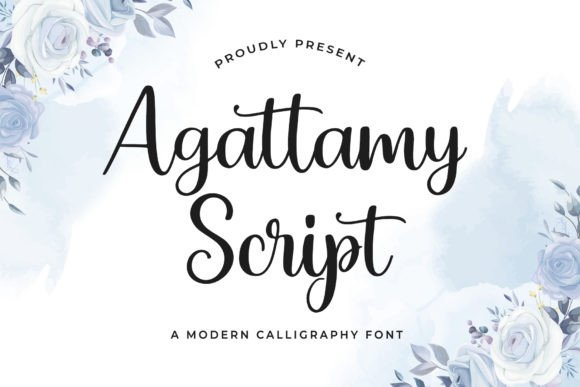
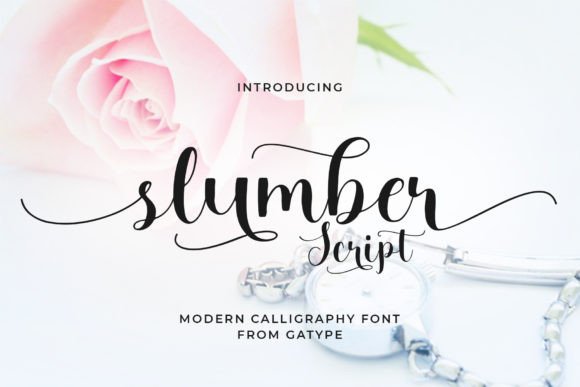
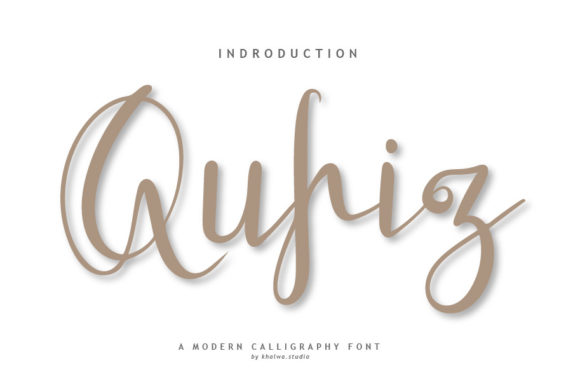
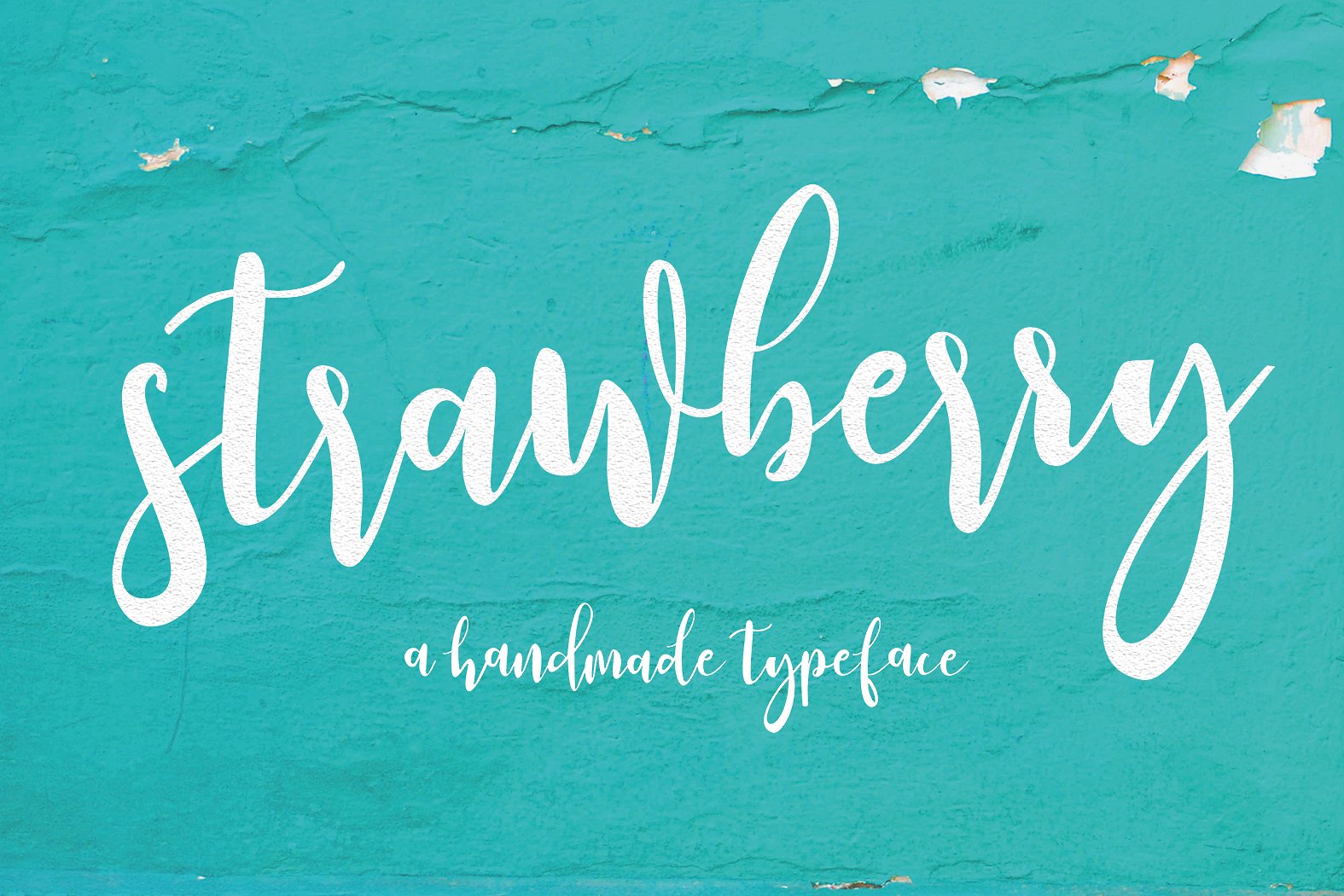
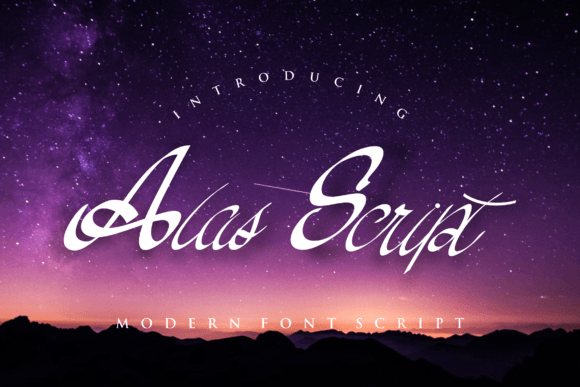
At its core, this handwritten font is designed to emulate the fluid, imperfect beauty of actual penmanship. It avoids the stiff, overly digitized look that can make some script fonts feel cold. The letterforms have a natural flow, with subtle variations in stroke width and a gentle baseline that mimics the movement of a hand across paper. This creates an immediate sense of authenticity, making it perfect for brands that want to convey approachability, creativity, or artisanal quality. Whether you're a small business owner crafting product labels or a blogger designing header images, this typeface adds a layer of human touch that resonates deeply with audiences.
The visual appeal isn't just about looking pretty; it's about effective communication. A well-crafted script font like this one maintains high readability, even at smaller sizes. The careful spacing between letters (kerning) ensures words don’t blur together, a common pitfall with decorative typefaces. This makes it a versatile creative font for both display and shorter blocks of text, such as pull quotes or call-to-action phrases. Its "light" character means it doesn’t dominate a layout, allowing it to pair beautifully with cleaner sans serif or serif fonts for body copy, creating a dynamic and professional typographic hierarchy.
From Screen to Print: Real-World Applications
The true test of any premium font is how it performs across different mediums. This is where a versatile typeface shines, adapting seamlessly to a wide array of projects. For brand identity work, it can become the cornerstone of a logo, especially for businesses in lifestyle, fashion, food, or wellness. Imagine a boutique bakery’s logo or a freelance photographer’s watermark—this font lends a distinctive, memorable character that aids in brand recognition.
Beyond logos, its applications are extensive:
- Packaging Design: Elevates product labels, boxes, and tags with an artisanal, high-end feel.
- Social Media Graphics: Creates eye-catching Instagram quotes, Facebook headers, and Pinterest pins that stop the scroll.
- Digital Products: Adds a personal touch to e-books, worksheets, online course materials, and digital planners.
- Print Materials: Enhances the elegance of wedding invitations, greeting cards, thank-you notes, and event posters.
- Web & Blog Design: Used for impactful headlines, navigation accents, or signature elements in web design to break the monotony of standard web fonts.
- Merchandise: Works wonderfully on t-shirts, tote bags, mugs, and stickers where a hand-lettered look is desirable.
For editorial design, it can bring life to magazine spreads, book chapter titles, or promotional flyers. Its ability to convey emotion makes it ideal for marketing assets that need to tell a story, like an email newsletter banner or a promotional poster for a local event. The key is using it strategically—often for headlines, logos, or key phrases—where its personality can shine without compromising the clarity of longer content.
Making It Work: Practical Tips for Designers and Creators
Choosing a beautiful font is only the first step. Using it effectively requires some thoughtful consideration. First, always review the full character set of the font you’ve selected. Many display fonts include alternate characters, ligatures, and stylistic sets that can add even more flair and customization to your text. Exploring these options can help you avoid repetitive letter combinations and achieve a more authentic handwritten look.
Next, font pairing is crucial. A flowing script font typically works best when contrasted with a simple, geometric sans serif or a traditional serif font. For example, using the script for a main headline and a clean sans serif for subheadings and body text creates a balanced, professional layout. Test your pairings at the actual size they’ll be used to ensure the script remains legible and the overall hierarchy is clear. Tools like font pairing websites or design software previews can be invaluable here.
Consider the emotional tone of your project. This particular typeface, with its light and elegant feel, suits themes of romance, sophistication, and gentle creativity. It might be less appropriate for a tech startup aiming for a sharp, futuristic vibe, but perfect for a wedding planner or a handmade jewelry brand. Always align your typography choices with the core message and audience expectations of your brand or project.
Finally, a critical but often overlooked aspect is licensing. If you’re using the font for commercial work—like client projects, merchandise for sale, or business marketing—you must ensure you have the correct commercial font license. Reputable font foundries and marketplaces provide clear licensing information. Respecting these terms is not only ethical but protects you and your clients legally. Most premium licenses are quite affordable and offer peace of mind for professional use.
In the end, the right typeface is a quiet workhorse that elevates your entire project. It’s not just about aesthetics; it’s about building a visual language that speaks directly to your audience. By choosing a thoughtfully designed script font and applying it with intention, you create work that feels more polished, more personal, and ultimately, more impactful. It’s a small detail that makes a world of difference in how your message is received and remembered.