Tulip Garden Script: A Handwritten Font That Feels Human
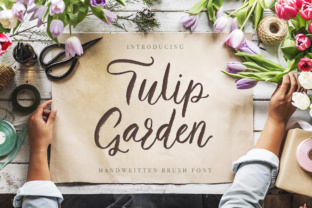
There's a particular warmth that radiates from a handwritten note. It's in the slight imperfections, the unique flow of each letter, the undeniable proof that a human hand moved across the page. In our digital age, capturing that organic, personal touch is a powerful way to connect. This is precisely the feeling evoked by Tulip Garden Script, a playful textured handwritten font designed to embody the authentic quirks and charm of real handwriting. It's not just another script font; it's a tool for injecting personality and warmth into your creative projects, making your designs feel approachable, genuine, and distinctly human.
More Than Just Letters: Understanding the Font's Personality
What sets Tulip Garden Script apart from a standard script or serif font is its commitment to replicating the nuances of hand-lettering. The designers didn't just create a set of uniform characters; they crafted a personality. Each letterform has subtle variations in weight, baseline, and texture, mimicking the natural inconsistencies that occur when writing by hand. This textured quality adds a layer of depth and tactility, preventing the font from looking flat or overly polished. It feels crafted, not generated.
The true magic, however, lies in its extensive library of ligatures and alternative symbols. A ligature is a combination of letters designed to flow into one another, like "st" or "fl." Tulip Garden Script includes a rich collection of these, allowing you to create seamless, fluid connections between letters that mimic cursive writing. Beyond that, for nearly every letter in the alphabet, there are multiple stylistic alternatives. This means you can customize the look of your text extensively, ensuring that no two words need to look exactly the same. This level of detail is what elevates a premium font from a simple design asset to a versatile creative partner, perfect for anyone seeking a modern typography solution with a handmade soul.
From Brand Identity to Social Media: Practical Applications
The versatility of a well-designed handwritten font like Tulip Garden Script makes it a valuable asset across a wide spectrum of projects. Its friendly yet professional demeanor allows it to adapt to various contexts, helping you communicate your message with style and clarity. Thinking about where it fits best can help you maximize its potential in your own work.
For branding and logo design, this typeface can be a game-changer for businesses that want to project a personal, artisanal, or approachable image. Imagine a bakery, a boutique clothing line, a wedding photographer, or a local coffee shop using Tulip Garden Script in their logo. It immediately communicates a story of care, craftsmanship, and human connection. It helps build brand recognition by creating a visual voice that feels distinct and memorable, setting you apart from competitors using more generic sans serif fonts.
In the realm of packaging design, the font's textured nature can simulate a stamp or a hand-printed label, adding a rustic, high-quality feel to products. Whether it's for a jar of homemade jam, a line of natural skincare, or a craft beverage, this script font helps tell a story of authenticity before the customer even tries the product. It’s a subtle but powerful way to enhance perceived value.
For digital creators and marketers, social media graphics and website design benefit immensely from a font that stops the scroll. Tulip Garden Script is perfect for creating eye-catching quotes, call-to-action overlays, blog post titles, or Instagram story highlights. Its playful energy can increase audience engagement, making your content feel more personal and less corporate. When used thoughtfully on a website—for instance, in headers or accent text—it can guide the visitor's eye and add a splash of creative flair that complements a clean sans serif body font.
Beyond the digital space, its applications in print materials are just as strong. Think of elegant invitations for weddings or events, unique posters for local markets, or charming labels for merchandise like tote bags and mugs. For editorial design, it can be used for pull quotes or chapter headings in magazines and books to add a touch of personality. Even digital products like e-books, planners, and online course materials can use this creative font to create a more engaging and visually cohesive experience for the user.
Pairing and Practicality: Making the Font Work for You
A beautiful font is most effective when it's used wisely. Integrating a display font like Tulip Garden Script into your designs requires a bit of strategy to ensure readability and visual consistency. The key is to think of it as a star player, not the entire team.
Choosing the right context is paramount. Given its decorative nature, Tulip Garden Script shines brightest in headlines, logos, and short bursts of text. It’s generally not suited for long paragraphs of body copy, where readability is the primary concern. For that, you'll want to pair it with a more straightforward serif font or, more commonly, a clean sans serif font. This contrast creates a dynamic visual hierarchy, allowing the script to grab attention while the body text provides clear, easy-to-read information.
Testing your font pairings is non-negotiable. Before finalizing a design, see how Tulip Garden Script looks alongside your chosen body font. Do they compete for attention, or do they complement each other? A good pairing feels balanced. For example, the organic curves of the script can be beautifully offset by the geometric simplicity of a font like Montserrat or the classic elegance of a serif like Garamond. Experiment with weight, size, and spacing to find the perfect harmony.
Don't forget to explore the alternatives. Make the most of your investment by diving into the font's OpenType features. Swapping out a standard letter for one of its many stylistic alternates can solve awkward letter combinations or simply give your text a fresh look. This is where you can truly customize the typography to fit the specific mood of your project, whether it's whimsical, elegant, or rustic.
Finally, always be mindful of commercial licensing. If you're using the font for client work, merchandise for sale, or any project that generates revenue, you need to ensure you have the appropriate commercial license. Reputable font foundries and marketplaces are clear about their licensing terms. Respecting these terms is a fundamental part of being a professional designer or business owner and ensures that the talented creators behind fonts like Tulip Garden Script can continue to produce high-quality design assets for everyone to use.
In the end, choosing a typeface is about finding a voice for your visual communication. Tulip Garden Script offers a voice that is warm, authentic, and full of character. By understanding its strengths and applying it thoughtfully, you can create designs that don't just look good, but feel genuinely human—connecting with your audience on a more personal and memorable level.