Why Casual Script Feels Like a Warm Handshake
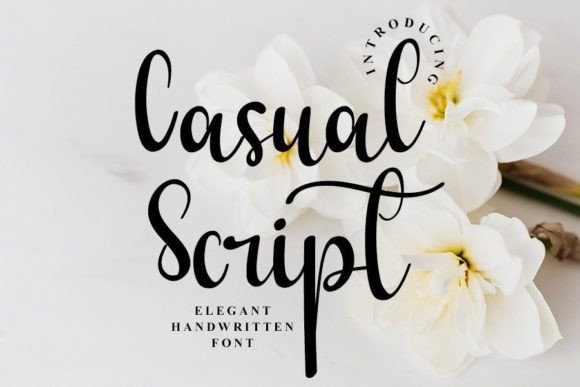
You know the feeling when you walk into a small coffee shop where the barista remembers your name? That warm, personal touch is exactly what typography aims to achieve in the digital space. We are constantly bombarded with cold, geometric sans-serifs and rigid corporate typefaces. While those have their place, they often lack a pulse. Enter Casual Script. This isn’t just another font file sitting in your downloads folder; it is a carefully crafted bridge between the timeless elegance of calligraphy and the relaxed vibe of modern design. It manages to do something quite difficult: it feels expensive and bespoke without being stuffy or illegible. If you are looking to inject some humanity into your work, this typeface is designed to become a true favorite.
Balancing Class and Approachability
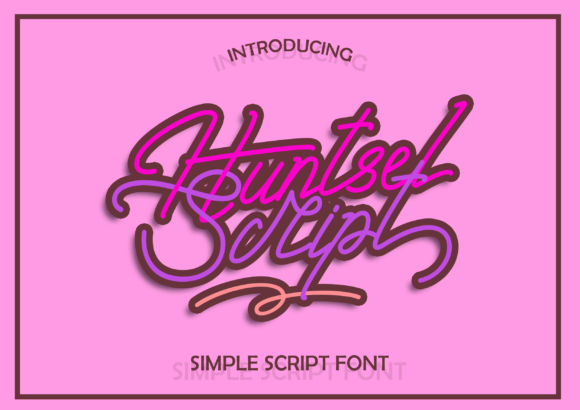
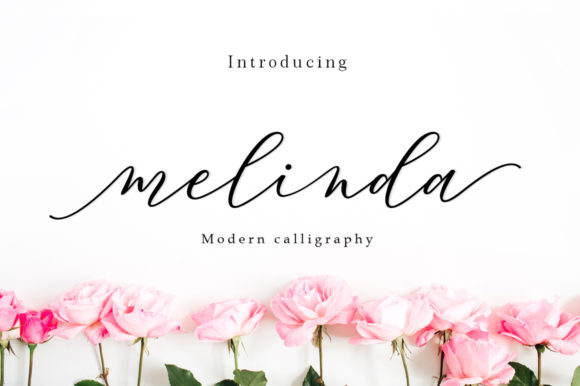
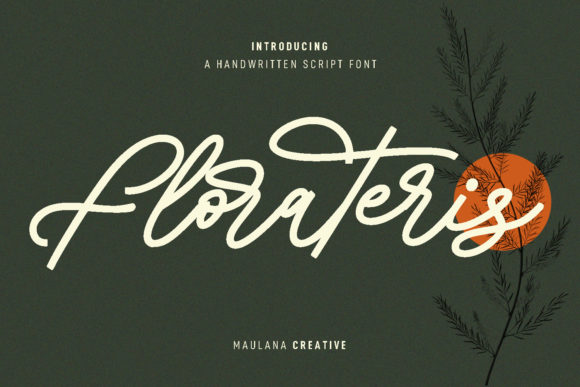
The visual DNA of this typeface is rooted in contradiction, but in the best way possible. It maintains strong calligraphic influences—you can see the rhythm in the strokes and the intentional flow of the letterforms. However, it sheds the stuffiness often associated with traditional cursive. It feels contemporary and fresh. This is crucial for anyone working in branding or marketing today. The modern consumer is wary of overly polished, "corporate" aesthetics. They crave authenticity.
When you use a premium font like this, you are signaling that you pay attention to details. However, because it is a handwritten font, it also signals that you are accessible. It’s the typographic equivalent of rolling up your sleeves. For logo design, this is gold. A logo needs to be memorable, and the organic nature of Casual Script ensures that a brand mark stands out against a sea of generic text. It works beautifully for boutique businesses, lifestyle brands, and creative agencies that want to project confidence with a personal touch.
From Packaging to Social Media: Where It Shines
The versatility of a creative font is measured by how well it travels across different mediums. A typeface might look great on a wedding invitation but fall apart on a mobile screen. Casual Script, however, has been designed with adaptability in mind.
Consider packaging design. On a physical product, texture matters. Whether you are designing a label for artisanal jam or a box for handmade soaps, this font mimics the look of hand-lettering. It suggests that a human being actually cared about the product inside. It adds perceived value to the item before the customer even opens it.
Then there is the digital realm. In the fast-scrolling world of Instagram or Pinterest, stopping the thumb is the primary goal. Social media graphics often suffer from looking too generic because everyone uses the same free fonts. Using a distinctive script font for quotes, headers, or announcements can instantly elevate your content strategy. It breaks the visual monotony and draws the eye to the message.
- Web Design: Perfect for hero section headers or pull quotes to break up technical text.
- Merchandise: Looks fantastic on tote bags, mugs, and t-shirts where a personal touch sells.
- Editorial Design: Great for magazine headlines or blog post titles to add a dash of personality.
- Invitations: Ideal for weddings, birthdays, or corporate events that need a friendly atmosphere.
The Technical Side: Pairing and Readability
Let’s talk about the practical side of using a display font. One of the biggest mistakes I see in visual communication is using a script font for body copy. Please don’t do that. Casual Script is designed for impact, which means it works best at larger sizes—headings, subheadings, and logos.
To make this font work for you, you need to master the art of font pairing. Because Casual Script has such a distinct personality, it needs a quiet partner. Pairing it with a clean, geometric sans serif font is usually a winning strategy. The simplicity of the sans serif acts as a frame, allowing the script to be the star of the show without causing visual chaos. Alternatively, pairing it with a sturdy serif font can create a vintage or editorial look that feels very high-end.
When testing your pairings, pay attention to x-height and weight. You want the visual weight of the script to balance the text it sits next to. If the script is too heavy compared to your body text, the layout will feel top-heavy. If it’s too light, it might get lost.
Building a Brand Identity
For entrepreneurs and small business owners, consistency is the key to brand recognition. Your typography is the voice of your brand. If your visuals are chaotic, your message gets muddied. Casual Script offers a reliable anchor for your brand identity.
Imagine using this font consistently across your email headers, your invoice templates, and your product hang-tags. Over time, your audience will associate that specific visual style with your business. It creates a cohesive ecosystem. This isn't just about looking pretty; it's about professional presentation. A cohesive look builds trust. When a potential customer sees a unified design language, they subconsciously feel that the business is organized and trustworthy.
Furthermore, in marketing assets, this typeface can help guide the viewer's eye. You can use it to highlight specific calls to action. For example, a bold sans-serif might say "Shop the Collection," but a small line of Casual Script underneath saying "Handmade with love" adds an emotional layer that drives engagement.
Practical Tips for Implementation
Before you dive in and start using this modern typography solution, there are a few practical considerations to keep in mind. First, always review the included font styles. Many premium fonts come with alternates, ligatures, and swashes. These extra glyphs are what separate amateur typography from professional design. They allow you to customize the look of specific letter combinations so they don't repeat awkwardly.
Second, think about readability in context. While Casual Script is legible, script fonts generally require more contrast against the background than standard text. Ensure your color choices provide enough difference so the letters pop. Dark text on a light background is usually the safest bet, but with the right stroke weight, it can work in reverse for short headlines.
Finally, consider your licensing. If you are using this for digital products you intend to sell, or for large-scale commercial printing, ensure you have the correct commercial font license. It protects you legally and supports the type designers who pour hours into creating these tools.
Creative Applications Beyond the Obvious
Don't limit yourself to just logos and headers. Think outside the box. You could use this font to create custom watermarks for your photography. It adds a professional signature without being overly intrusive. If you are a content creator, consider using it for chapter titles in a PDF guide or an eBook. It breaks up the monotony of reading long-form content and makes the digital product feel more tangible.
For those in the education or coaching space, using a handwritten style for emphasis on slides or workbooks can make the content feel less intimidating and more like a one-on-one conversation. It humanizes the information. Even in web design, using a script font for a "P.S." at the bottom of a sales page can increase conversions because it mimics a personal note left by a friend.
In the end, typography is about feeling. Casual Script provides a feeling of warmth, creativity, and approachability. It is a versatile tool in any designer's or business owner's arsenal. By using it thoughtfully—pairing it well, respecting its legibility limits, and applying it consistently—you can transform standard projects into memorable experiences that resonate with your audience. It’s not just about writing words; it’s about giving them a voice.